Education is the most powerful driver of long-term development. DICE promotes initiatives that expand access to quality education, knowledge-sharing, and skills development to empower individuals and communities.

Education and knowledge lie at the heart of sustainable development, serving as the most powerful catalysts for social mobility, economic progress, and democratic participation. Societies that invest in education not only cultivate skilled workforces but also nurture informed citizens capable of contributing to innovation, governance, and community wellbeing. Globally, education is recognized as a cornerstone of development policy, reflected in Sustainable Development Goal 4 (Quality Education), which emphasizes inclusive and equitable learning opportunities for all. Yet for many developing countries, including Pakistan, education remains both a profound opportunity and an enduring challenge. According to the World Bank and UNESCO, millions of children worldwide remain out of school, while learning poverty—defined as the inability of a ten-year-old child to read and understand a simple text—continues to affect a significant proportion of students in low- and middle-income countries. This gap between access and quality highlights the urgent need for initiatives that strengthen educational systems while fostering a culture of lifelong learning and knowledge exchange.

Pakistan’s demographic profile underscores the strategic importance of education as a national priority. With one of the youngest populations in the world, the country possesses immense human capital potential that could drive economic growth, technological advancement, and social transformation. However, disparities in educational access persist between urban and rural areas, as well as across gender and socioeconomic groups. Millions of children remain outside formal schooling systems, while limited resources, infrastructure gaps, and uneven learning outcomes constrain the development of a knowledge-based society. At the same time, the rapidly evolving global economy—shaped by digital innovation, artificial intelligence, and knowledge industries—demands new skills, critical thinking abilities, and interdisciplinary learning. For Pakistan to fully harness its demographic dividend, education must evolve beyond traditional models to emphasize creativity, analytical thinking, scientific literacy, and global awareness.

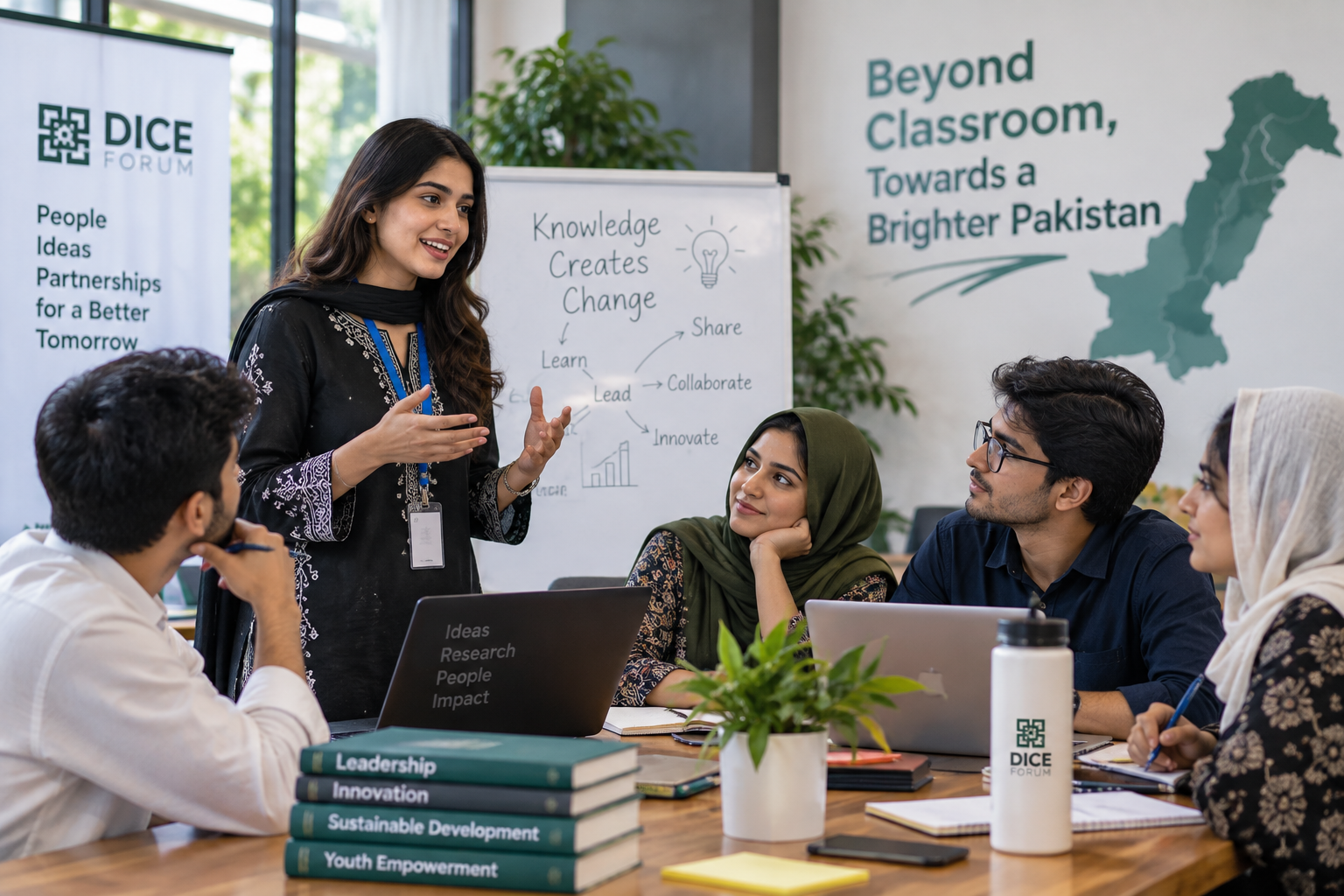
Within this context, The DICE Forum places education and knowledge at the center of its vision for empowering societies and shaping the future. The initiative recognizes that education is not confined to classrooms; it also encompasses leadership development, research collaboration, knowledge sharing, and access to information that enables individuals and communities to participate meaningfully in economic and civic life. By fostering partnerships among universities, policymakers, civil society organizations, and international institutions, DICE seeks to create platforms that expand educational opportunities and promote intellectual exchange. Through dialogue, research initiatives, and youth leadership programs, the forum aims to strengthen the foundations of a knowledge-driven society—one in which education equips individuals not only with skills for employment but also with the capacity to address global challenges, contribute to inclusive development, and guide future generations toward a more informed and equitable world.

Strategic Role of DICE in Education
DICE promotes education through:
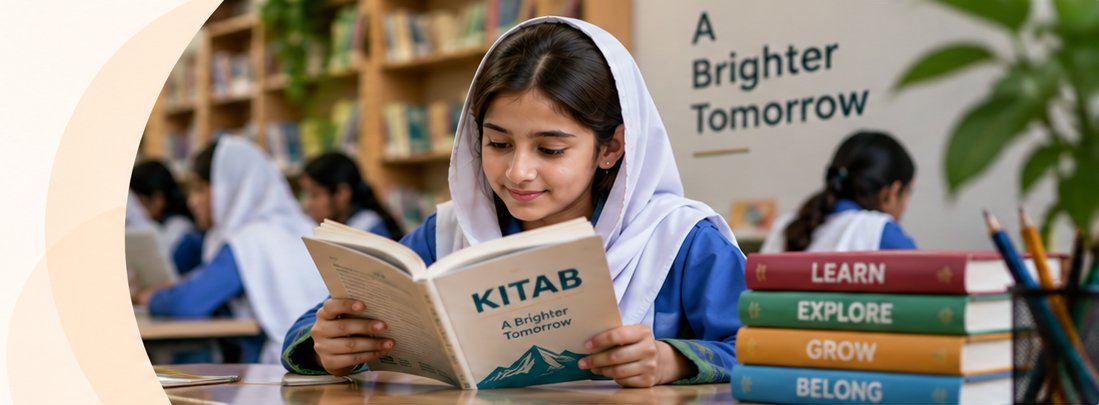
• Literacy and learning initiatives for underserved communities
• Educational exchange and knowledge partnerships
• Youth leadership and skills development programs
• Policy dialogue on education reform
By expanding access to education, DICE seeks to empower individuals and communities with the knowledge needed to participate fully in economic and social life.