
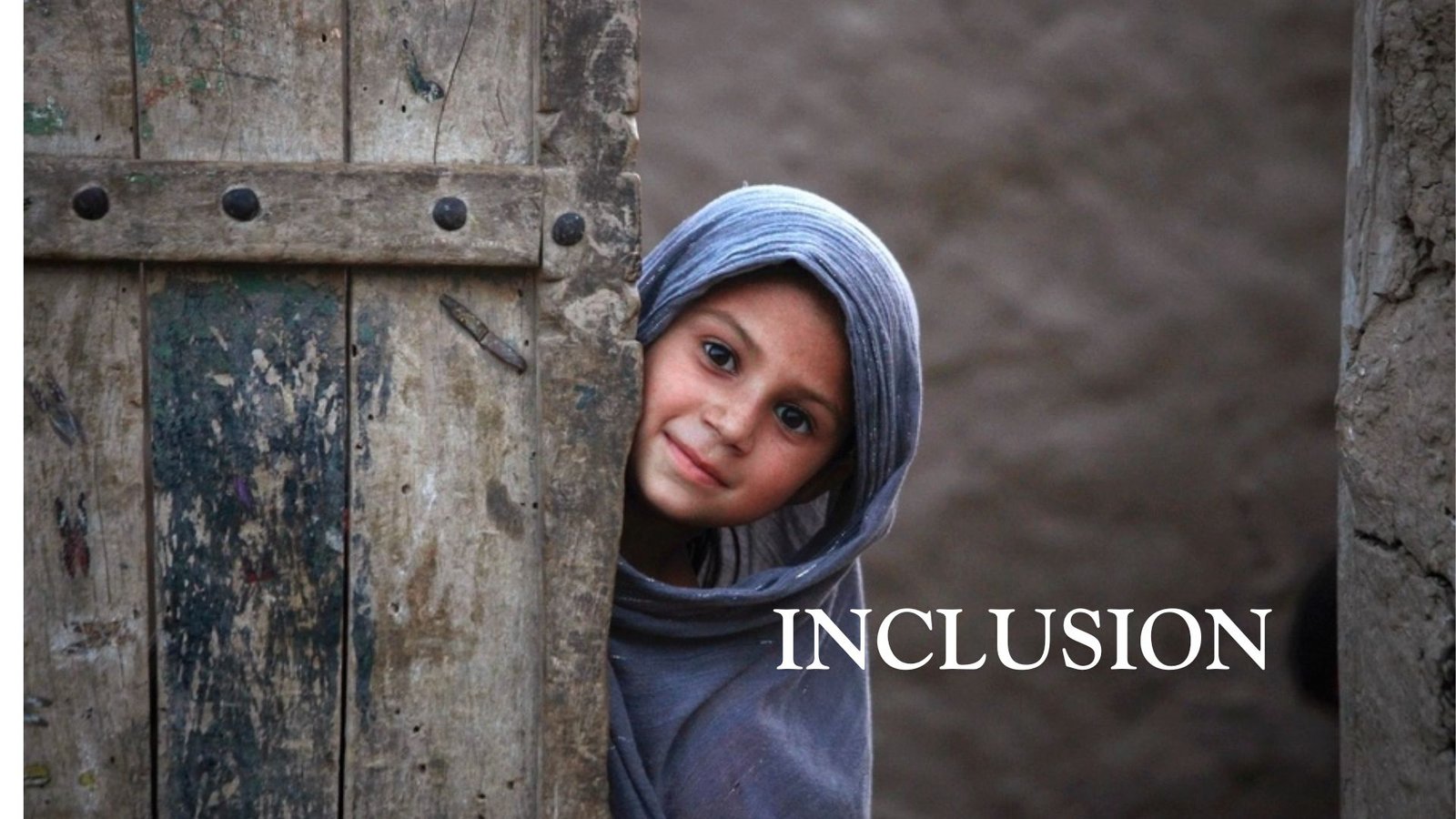
Inclusive societies are more resilient, innovative, and economically productive. DICE advocates policies and initiatives that ensure women, youth, minorities, and marginalized communities have equal opportunities to participate fully in social, economic, and political life.
Inclusive development and leadership form a central pillar of the DICE Forum, grounded in the understanding that societies thrive when all individuals are able to participate meaningfully in economic, political, and social life. Evidence from global development research consistently demonstrates that inclusive societies tend to be more stable, innovative, and economically productive. Yet in Pakistan, structural inequalities continue to limit access to opportunity for large segments of the population. According to the United Nations Development Programme, Pakistan ranks 164 out of 193 countries on the Human Development Index, reflecting persistent disparities in education, income, and social mobility. These gaps are not merely indicators of inequality; they represent untapped human potential that, if mobilized, could significantly strengthen national development.
Gender inequality remains one of the most significant barriers to inclusive progress. Women’s participation in Pakistan’s labor force remains among the lowest in the world, and representation in leadership positions across public institutions, corporate sectors, and governance structures continues to fall short of international benchmarks. At the same time, Pakistan is one of the world’s youngest nations, with a large youth population that possesses enormous potential to drive innovation, entrepreneurship, and social transformation. However, young people often face limited avenues for participation in decision-making processes and public leadership. Similarly, persons with disabilities encounter systemic barriers in accessing education, employment, and public services, further reinforcing patterns of exclusion that weaken social cohesion and economic productivity.
Addressing these disparities requires more than symbolic commitments; it demands deliberate policies that expand opportunity and cultivate inclusive leadership across society. Inclusive governance strengthens democratic institutions, broadens the talent pool available for economic growth, and fosters social cohesion by ensuring that diverse voices are represented in decision-making. The DICE Forum seeks to advance this agenda by promoting dialogue, research, and leadership initiatives that empower women, youth, and marginalized communities. By strengthening inclusive development and leadership, Pakistan can unlock its demographic potential, reinforce democratic resilience, and position itself as a society where diversity becomes a source of strength rather than division.
Strategic Role of DICE in Inclusivity
DICE promotes inclusivity through:
• Leadership development programs for women and youth
• Policy dialogue on social equity and inclusion
• Research on inclusion indicators and governance reform
• Platforms amplifying minority voices
By strengthening inclusive societies, Pakistan can unlock its full human potential and enhance its international reputation as a pluralistic and forward-looking nation.